Summary
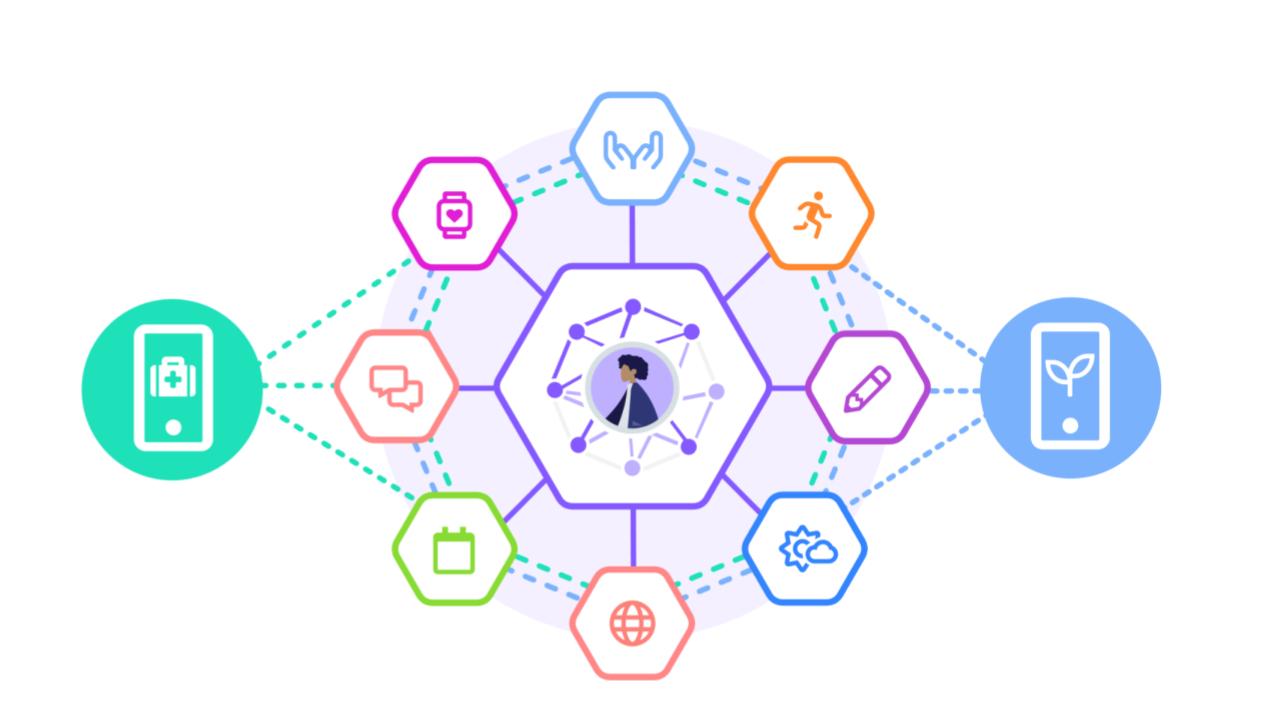
Imagine having your own online storage, which you control. You store information once and decide who can access what, when you need services like mortgage applications or medical care.
This is what Solid can do. It’s a bit like carrying all your data in a rucksack (backpack) with lots of pockets. To access the data, different apps can only open the pocket you allow them to open, rather than taking the whole rucksack. The rest stays private.
Solid lets people take control of their data and combine it to achieve new results. It gives creators new collaborative tools while passing power back to users. It’s technology that returns the web to its original vision of serving people.
Source: Solid Website
OnAir Post: Solid Protocol
News
Guardian, – January 28, 2026
Founder of the world wide web says commercialisation means the net has been ‘optimised for nastiness’, but collaboration and compassion can prevail
When Sir Tim Berners-Lee invented the world wide web in 1989, his vision was clear: it would used by everyone, filled with everything and, crucially, it would be free.
Today, the British computer scientist’s creation is regularly used by 5.5 billion people – and bears little resemblance to the democratic force for humanity he intended.
In Australia to promote his book, This is for Everyone, Berners-Lee is reflecting on what his invention has become – and how he and a community of collaborators can put the power of the web back into the hands of its users.
Berners-Lee describes his excitement in the earliest years of the web as “uncontainable”. Approaching 40 years on, a rebellion is brewing among himself and a community of like-minded activists and developers.
“We can fix the internet … It’s not too late,” he writes, describing his mission as a “battle for the soul of the web”.
About
How does it work?
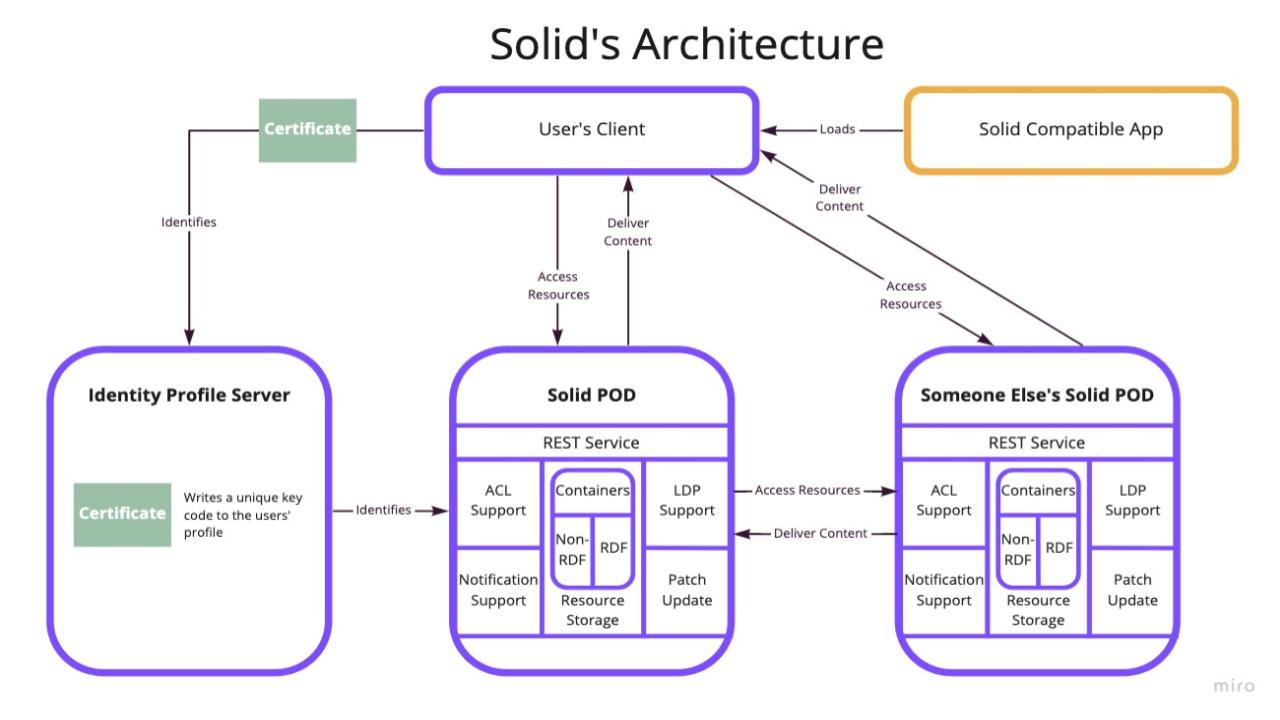
Solid is a file system for the Web – in the same way that you can store a PDF on your laptop and then choose to read or edit it using Adobe Acrobat, Chrome, or one of a dozen other applications; Solid lets you put documents into an online file system where you have control over which people, applications, and AI agents can read and edit them.
Users have personal online data stores called Pods. Solid applications can read and write documents directly from your Pod. You choose which applications to use with your data rather than being locked into specific platforms.
Source: Solid Website
From Empath.Co
Empathy.Co https://empathy.co/blog/empathy-solid-challenge/
Source: Empath.co