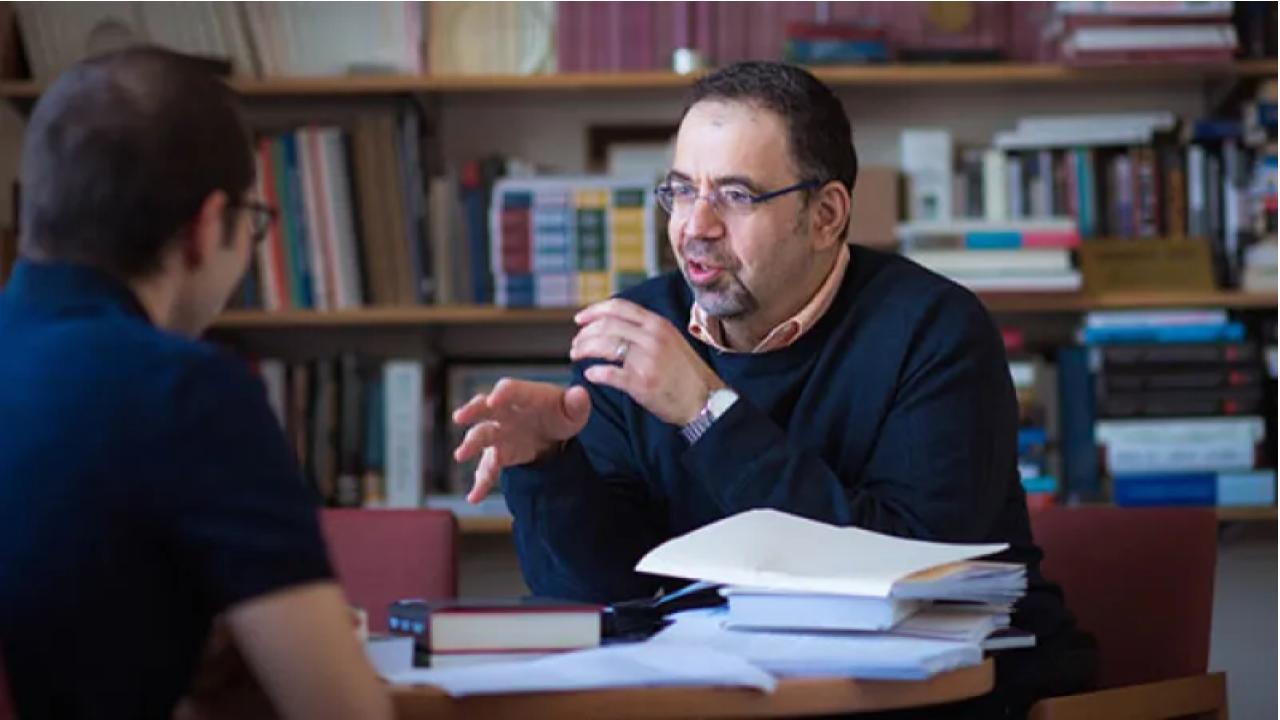
Daron Acemoglu

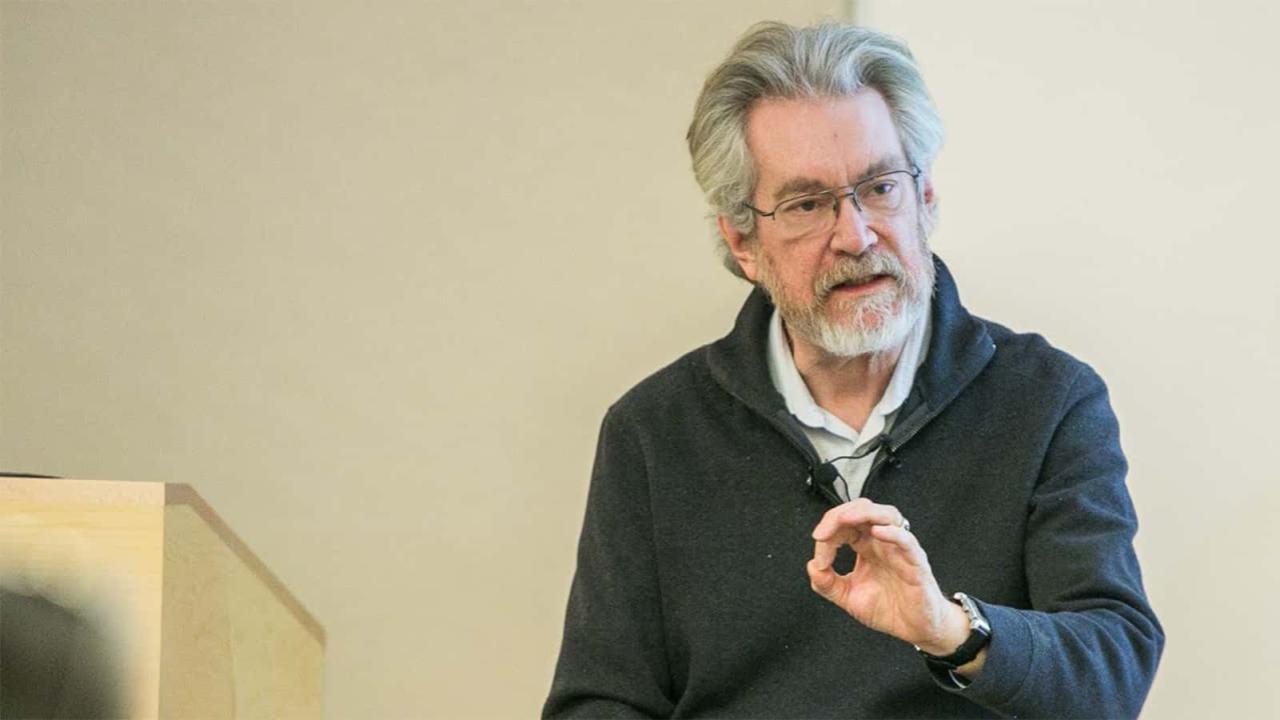
Daron Acemoglu is an Institute Professor at MIT, Faculty Co-Director of MIT’s Shaping the Future of Work Initiative, and a Research Affiliate at MIT’s newly established Blueprint Labs. He is an elected fellow of the National Academy of Sciences, American Philosophical Society, the British Academy of Sciences, the Turkish Academy of Sciences, the American Academy of Arts and Sciences, the Econometric Society, the European Economic Association, and the Society of Labor Economists.

He is also a member of the Group of Thirty. He is the author of six books, including New York Times bestseller Why Nations Fail: Power, Prosperity, and Poverty (joint with James A. Robinson), Introduction to Modern Economic Growth, The Narrow Corridor: States, Societies, and the Fate of Liberty (with James A. Robinson), and Power and Progress: Our Thousand-Year Struggle Over Technology and Prosperity (with Simon Johnson).

His academic work covers a wide range of areas, including political economy, economic development, economic growth, technological change, inequality, labor economics and economics of networks. Daron Acemoglu has received the inaugural T. W. Shultz Prize from the University of Chicago in 2004, and the inaugural Sherwin Rosen Award for outstanding contribution to labor economics in 2004, Distinguished Science Award from the Turkish Sciences Association in 2006, the John von Neumann Award, Rajk College, Budapest in 2007, the Carnegie Fellowship in 2017, the Jean-Jacques Laffont Prize in 2018, the Global Economy Prize in 2019, and the CME Mathematical and Statistical Research Institute prize in 2021.

He was awarded the Sveriges Riksbank Prize in Economic Sciences in Memory of Alfred Nobel in 2024 (with Co-Laureates Simon Johnson and James A. Robinson), the John Bates Clark Medal in 2005, the Erwin Plein Nemmers Prize in 2012, and the 2016 BBVA Frontiers of Knowledge Award. He holds Honorary Doctorates from the University of Utrecht, the Bosporus University, University of Athens, Bilkent University, the University of Bath, Ecole Normale Superieure, Saclay Paris, and the London Business School.

Source: MIT Economics

Tim Berners-Lee

Sir Tim Berners-Lee invented the World Wide Web while at CERN, the European Particle Physics Laboratory, in 1989. He wrote the first web client and server in 1990. His specifications of URIs, HTTP and HTML were refined as Web technology spread.

He is the co-founder and CTO of Inrupt.com, a tech start-up that uses, promotes and helps develop the open source Solid platform. Solid aims to give people control and agency over their data, questioning many assumptions about how the web has to work. Solid technically is a new level of standard at the web layer, which adds features never put into the original spec, such as global single sign-on, universal access control, and a universal data API so that any app can store data in any storage place. Socially Solid is a movement away from much of the issues with the current WWW, and toward a world in which users are in control, and empowered by large amounts of data, private, shared, and public.

Source: W3 Consortium

Sylvie Delacroix

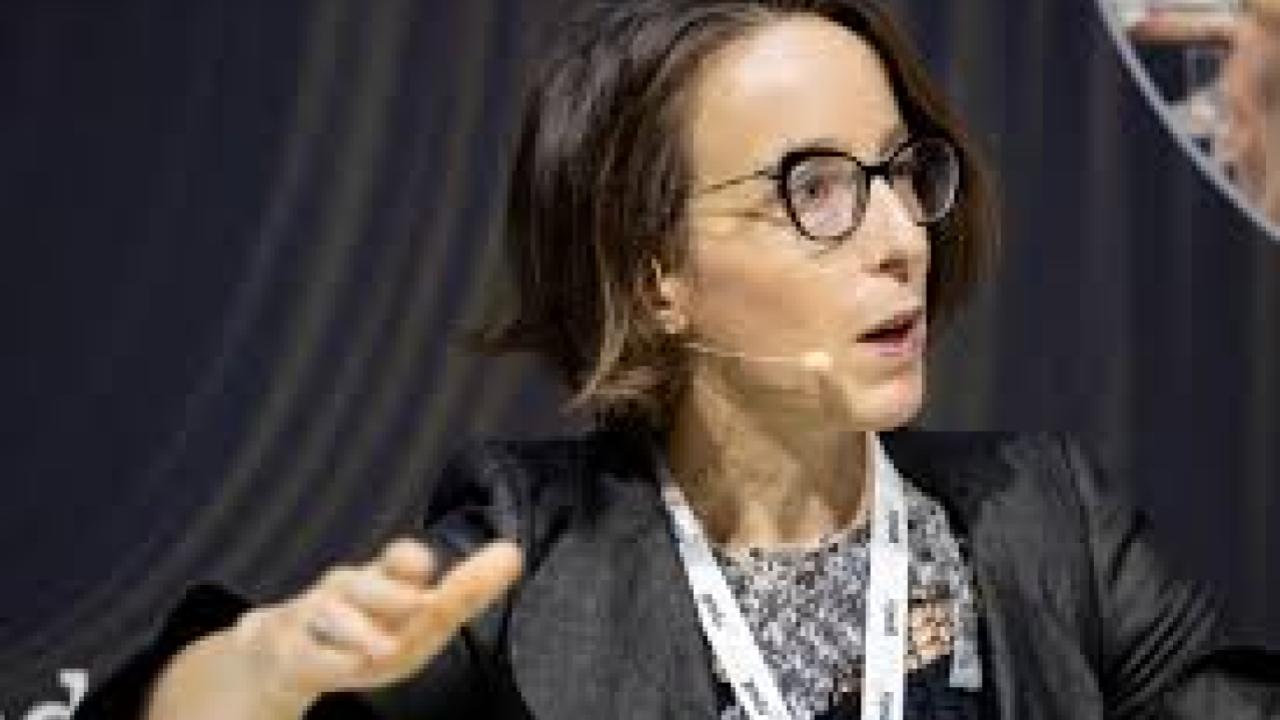
Overview: Sylvie Delacroix is the Inaugural Jeff Price Chair in Digital Law and the director of the Centre for data Futures (King’s College London). She is also a visiting professor at the University of Tohoku (Japan). Her research focuses on the role played by habit within ethical agency, the role of humility markers as conversation enablers and the potential inherent in LLMs’ participatory interfaces. She also considers bottom-up data empowerment structures and the social sustainability of the data ecosystem that makes generative AI possible. The latter work led to the first data trusts pilots worldwide being launched in 2022 in the context of the Data Trusts initiative www.datatrusts.uk. Her latest book Habitual Ethics?  was published by Bloomsbury in 2022 (open-access).

Source: Website

Jonathan Haidt

Jonathan Haidt (pronounced “height”) is a social psychologist at New York University’s Stern School of Business. He received his Ph.D. from the University of Pennsylvania in 1992.

Haidt’s research examines the intuitive foundations of morality, and how morality varies across cultural and political divisions. Haidt is the author of The Happiness Hypothesis (2006) and of the New York Times bestsellers The Righteous Mind (2012) and The Coddling of the American Mind (2018, with Greg Lukianoff). He has given four TED talks. In 2019 he was inducted into the American Academy of Arts and Sciences. Since 2018 he has been studying the contributions of social media to the decline of teen mental health and the rise of political dysfunction. His most recent book is the New York Times #1 bestseller The Anxious Generation: How the Great Rewiring of Childhood is Causing an Epidemic of Mental Illness.

David Clark

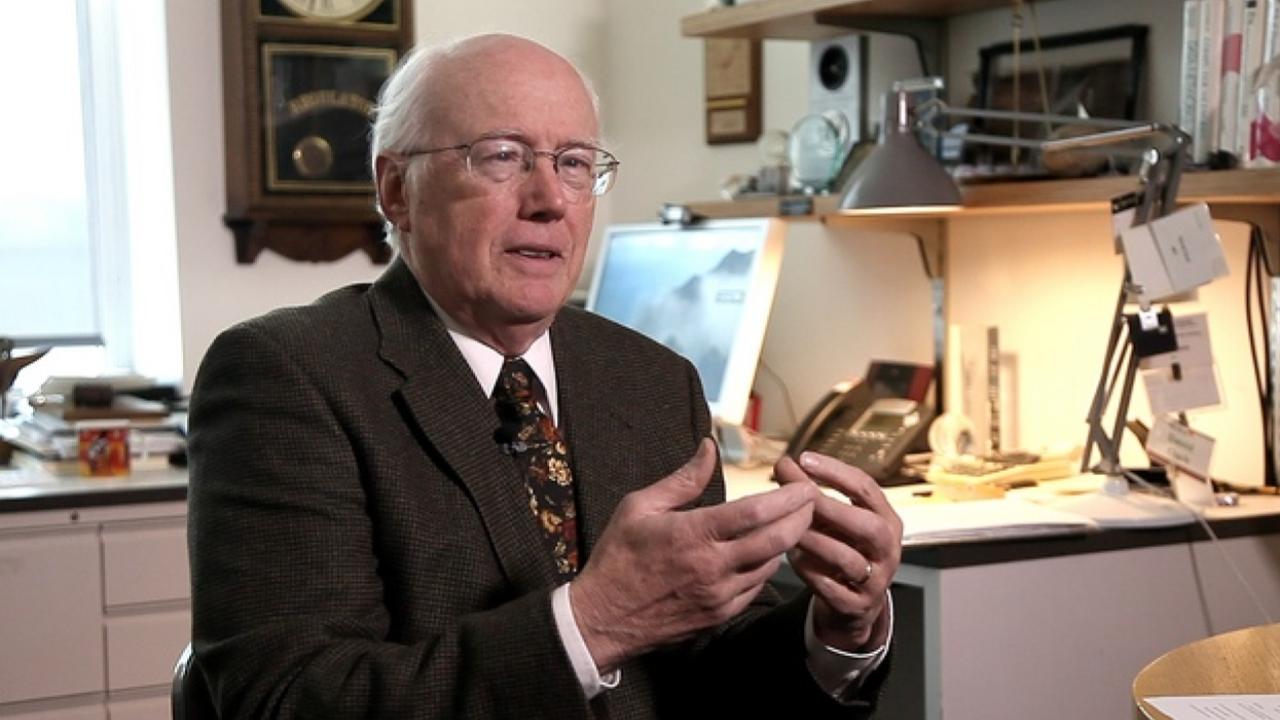
David Clark is a Senior Research Scientist at the MIT Computer Science and Artificial Intelligence Laboratory. Since the mid-70s, he has been leading the development of the Internet; from 1981-1989 he acted as Chief Protocol Architect in this development, and chaired the Internet Activities Board. His design research looks at re-definition of the architectural underpinnings of the Internet, and the relation of technology and architecture to economic, societal and policy considerations. He supported the U.S. National Science Foundation Future Internet Architecture program.

His current priorities include Internet security, the challenges of large-scale collection and curation of data about the Internet, and mitigating the abusive uses of Internet applications. He is past chairman of the Computer Science and Telecommunications Board of the National Academies, and has contributed to a number of studies on the societal and policy impact of computer communications. He is a Fellow of the National Academy of Engineering and the American Academy of Arts and Sciences.

Source: MIT Website

Alex Pentland

Professor Alex ‘Sandy’ Pentland has helped create and direct the MIT Media Lab and the Media Lab Asia in India, and is  a HAI Fellow at Stanford.

He is one of the most-cited  computational scientists in the world, and Forbes declared him one of the “7 most powerful data scientists in the world” along with Google founders and the Chief Technical Officer of the United States.

He co-led the World Economic Forum discussion in Davos that led to the EU privacy regulation GDPR, and was one of the UN Secretary General’s  “Data Revolutionaries” helping to forge the transparency and accountability mechanisms in the UN’s Sustainable Development Goals.

He has received numerous awards and distinctions such as  MIT’s Toshiba endowed chair, election to the U.S. Academy of Engineering, the McKinsey Award from Harvard Business Review, the 40th Anniversary of the Internet from DARPA, and the Brandeis Award for work in privacy.

Source: MIT Website

Sara Wedeman

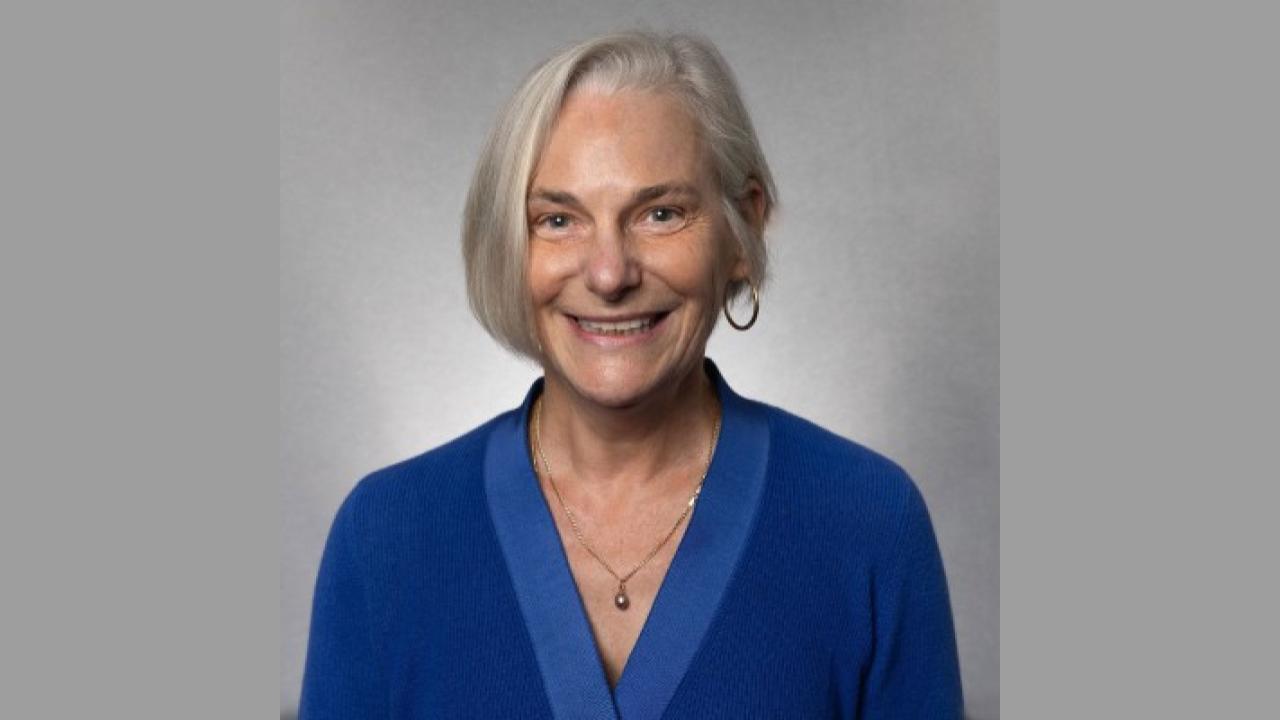
Sara holds a Ph.D. in Professional Psychology from the University of Pennsylvania, Masters’ degrees from the University of Pennsylvania and Bryn Mawr College, and a B.A. from Swarthmore College as well as a certificate in Business Administration from the Wharton Graduate School.

She is very interested in emerging technologies, particularly the social aspects of their adoption and use. An expert at working with and making sense of quantitative data, Sara is equally skilled at grasping the subtleties of personality and organizational culture. Her unique professional background, together with her extensive overseas experience, enable Sara to see and sense things others do not. Thus, she helps clients craft novel and effective strategies, while remaining true to their identities and aspirations. She particularly enjoys working with clients on emerging issues, where innovation is not an option but a necessity.

Source: Behavioral Economics Website

Skip to toolbar