All Tech Is Human

All Tech Is Human is collectively solving complex tech and society issues by uniting key stakeholders in the community to better understand values, best practices, and tradeoffs.

Our strength lies in moving at the speed of tech, leveraging collective intelligence, and diversifying the pipeline to allow for a more holistic approach, altering the DNA of tech development, and helping society catch up to the speed of innovation.

Founded in 2018 and based in Manhattan with a global community, All Tech Is Human is a non-profit organization that has intentionally brought together a diverse range of individuals and organizations across civil society, government, and industry. We aim to grow the Responsible Tech field by promoting knowledge-sharing and collaboration among multiple stakeholders to co-create a better tech future.

The community we are cultivating is a powerful force to affect the underlying tech pipeline, as new voices are entering the field who deeply care about the impact of technology.

Source: All Tech Is Human Website

OnAir Post: All Tech Is Human

Ashoka

Our Mission:

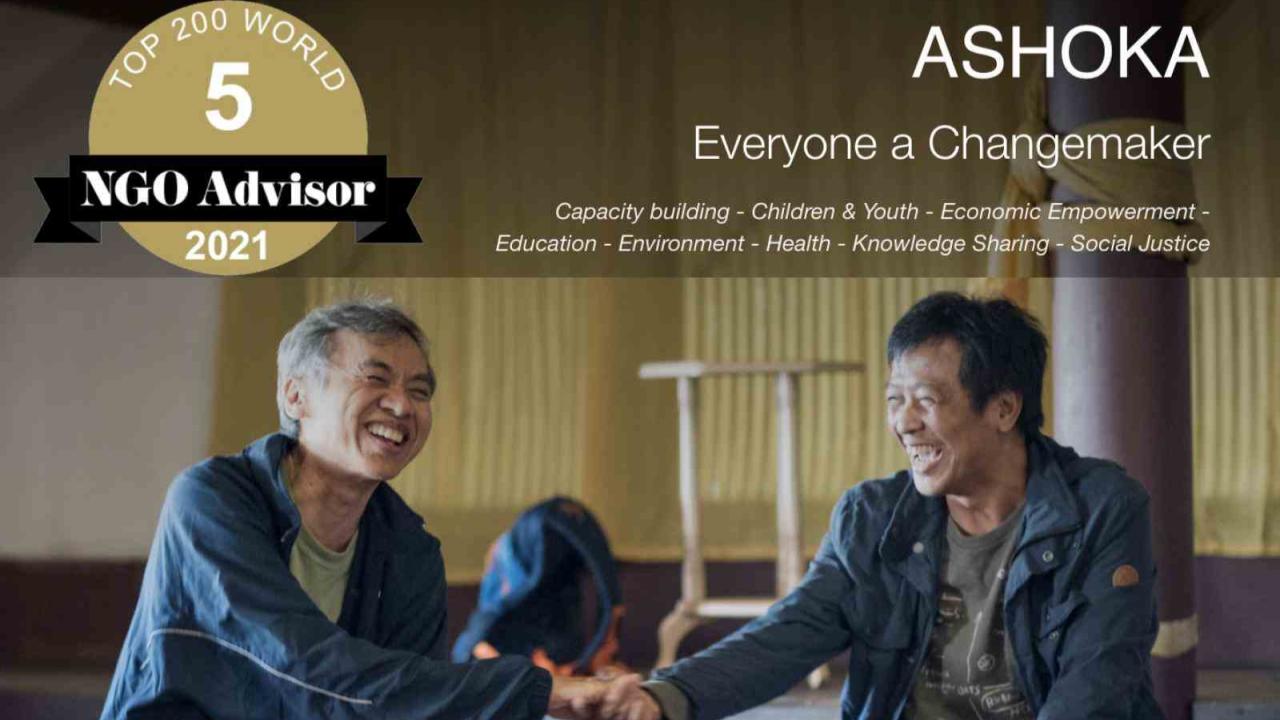
Ashoka identifies and supports the world’s leading social entrepreneurs, learns from the patterns in their innovations, and mobilizes a global community that embraces these new frameworks to build an “everyone a changemaker world.”

Ashoka invests in transformative ideas and the people behind them, including 3,800+ social entrepreneurs (Ashoka Fellows) in over 90 countries and 270+ Fellows here in the U.S., as well as a growing community of young changemakers.

Together with our network, we are working toward a world where everyone can creatively and imaginatively solve problems for the good of all, as changemakers.

Source: Ashoka Website

OnAir Post: Ashoka

Aspen Institute

OnAir Post: Aspen Institute

Atlas Computing

​Atlas Computing is a nonprofit advancing a new paradigm for scaling human review of AI.

We’re focused on a new paradigm where people specify objective criteria that they want from AI outputs, and the AI systems prove that the solutions indeed have those properties.

Our two goals are generally raising awareness of specification-based AI and driving technical progress in a few specific domains, starting with dramatically lowering the cost of formally verifying software

OnAir Post: Atlas Computing

BlockChainGov

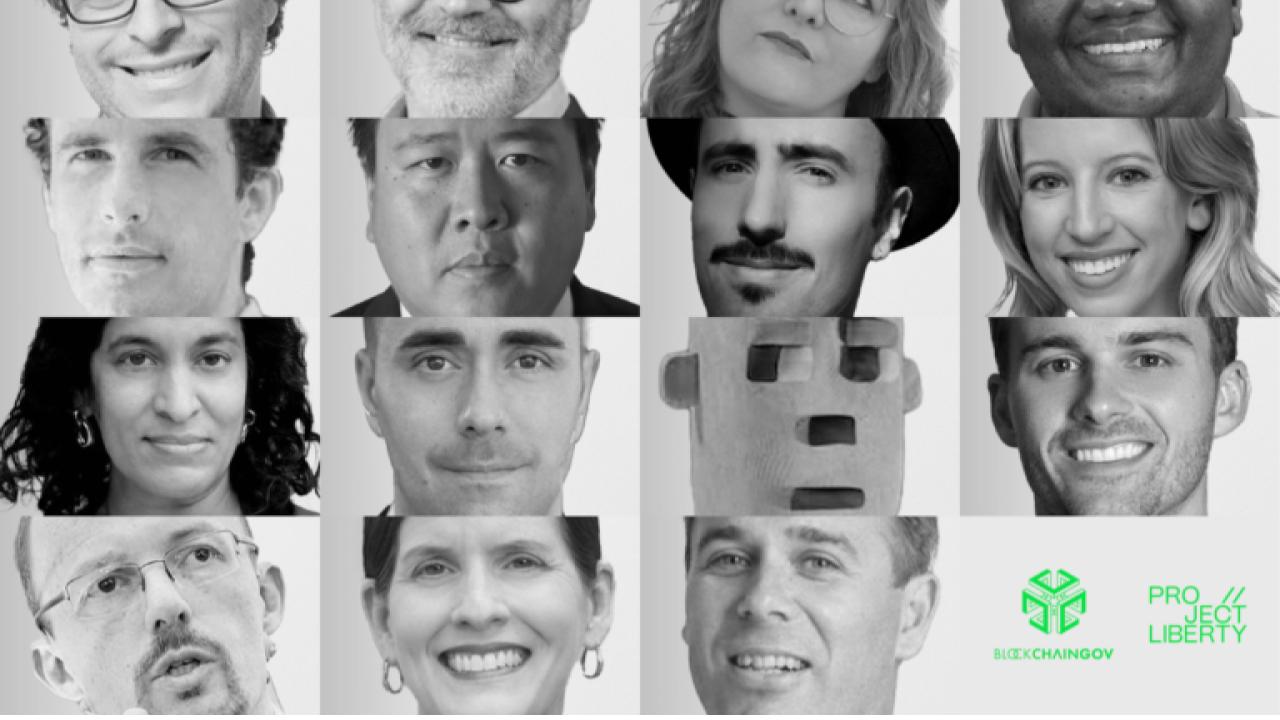
We are a 5-year long, transdisciplinary research effort aimed at restoring trust in institutions at the community and global levels, by promoting better on chain and off chain distributed governance practices.

We are funded by the European Research Council (grant ID: 865856).

Source: BlockChainGov Website

OnAir Post: BlockChainGov

Creative Commons

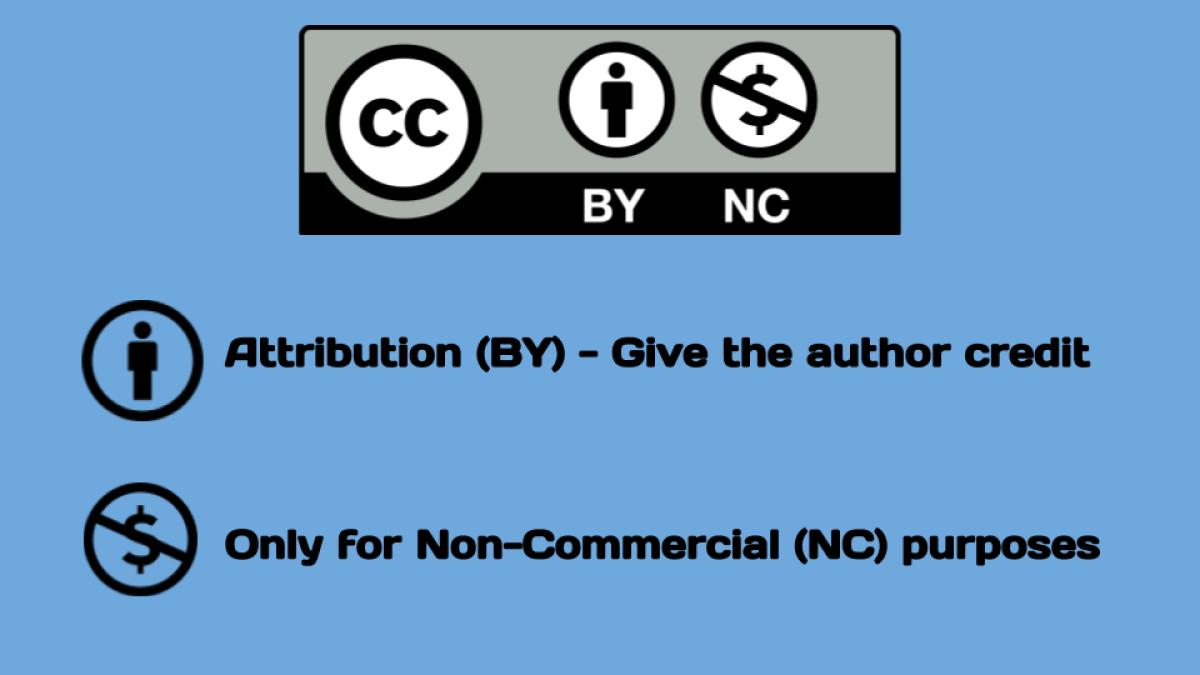
All topical posts in onAir networks Hub websites is under the Creative Commons Attribution- NonCommercial -NoDerivatives 4.0 International with the additional condition that nonprofit websites, apps, and social media pages do not have advertisers.

This CC BY-NC-ND 4.0 license permits content sharing and adaptation as long as proper attribution is given to its author(s) and is used for non-commercial purposes.

All content in profile posts on people, organizations, and projects  is copyrighted by default by a post’s lead author.

OnAir Post: Creative Commons

Future of Life Institute

The Future of Life Institute (FLI) is a nonprofit organization which aims to steer transformative technology towards benefiting life and away from large-scale risks, with a focus on existential risk from advanced artificial intelligence (AI). FLI’s work includes grantmaking, educational outreach, and advocacy within the United Nations, United States government, and European Union institutions.

The founders of the Institute include MIT cosmologist Max Tegmark, UCSC cosmologist Anthony Aguirre, and Skype co-founder Jaan Tallinn; among the Institute’s advisors is entrepreneur Elon Musk.

OnAir Post: Future of Life Institute

Georgetown University

Who We Are

We’re a leading research university with a heart. Founded in the decade that the U.S. Constitution was signed, we’re the nation’s oldest Catholic and Jesuit university. Today we’re a forward-looking, diverse community devoted to social justice, restless inquiry and respect for each person’s individual needs and talents.

Source: Georgetown University Website

OnAir Post: Georgetown University

Internet Archive

About the Internet Archive

The Internet Archive, a 501(c)(3) non-profit, is building a digital library of Internet sites and other cultural artifacts in digital form. Like a paper library, we provide free access to researchers, historians, scholars, people with print disabilities, and the general public. Our mission is to provide Universal Access to All Knowledge.

We began in 1996 by archiving the Internet itself, a medium that was just beginning to grow in use. Like newspapers, the content published on the web was ephemeral – but unlike newspapers, no one was saving it. Today we have 28+ years of web history accessible through the Wayback Machine and we work with 1,200+ library and other partners through our Archive-It program to identify important web pages.

As our web archive grew, so did our commitment to providing digital versions of other published works. Today our archive contains:

OnAir Post: Internet Archive

Internet Society

Our Vision: The Internet Is for Everyone.

The Internet Society supports and promotes the development of the Internet as a global technical infrastructure, a resource to enrich people’s lives, and a force for good in society.

Our work aligns with our goals for the Internet to be open, globally connected, secure, and trustworthy. We seek collaboration with all who share these goals.

Together, we focus on:

Building and supporting the communities that make the Internet work
Advancing the development and application of Internet infrastructure, technologies, and open standards
Advocating for policy that is consistent with our view of the Internet

Source: Website

OnAir Post: Internet Society

Stanford University

A Mission Defined by Possibility

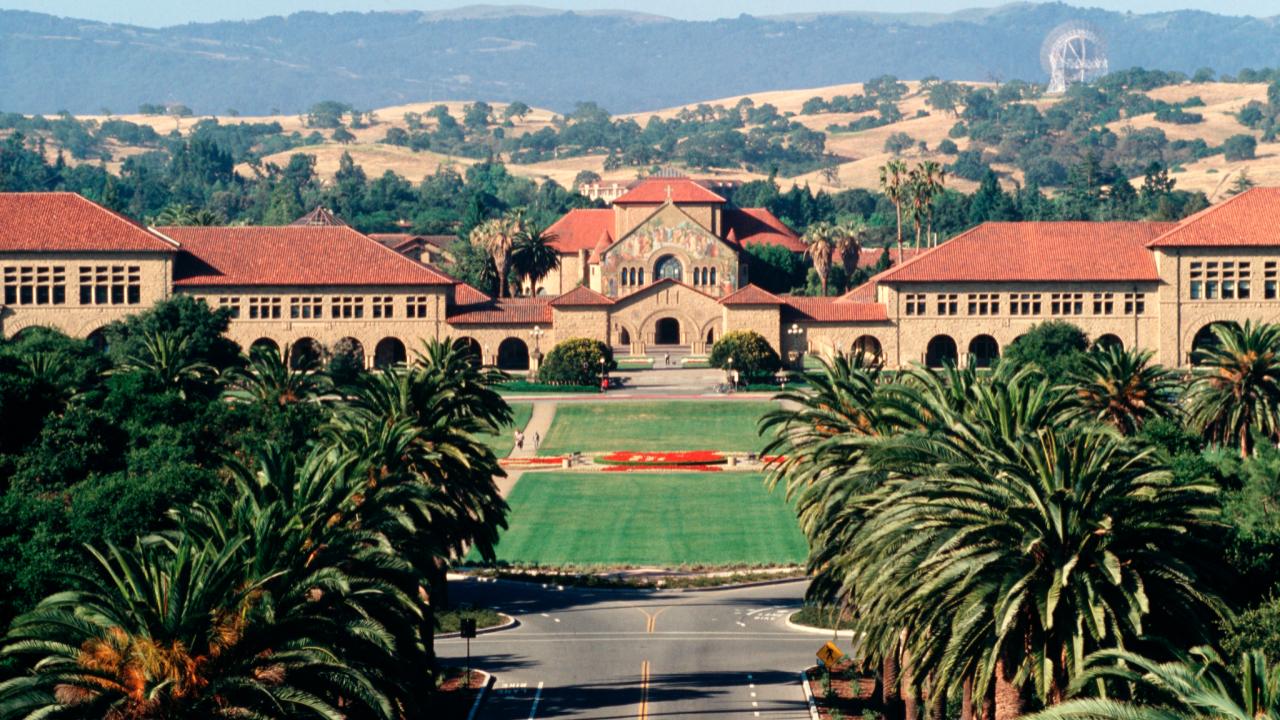
At Stanford, our mission of discovery and learning is energized by a spirit of optimism and possibility that dates to our founding. Here you’ll find a place of intellectual expansiveness, wide-ranging perspectives, and freedom to explore new lines of thinking. Buzzing with ideas and innovation, approaching questions with openness and curiosity, pursuing excellence in all we do – this is Stanford.

OnAir Post: Stanford University

TechSoup

TechSoup Global Network: Impact at Scale

The TechSoup Global Network (TSGN) brings together 60+ partner organizations on six continents operating in 39 languages that have joined together to collaborate on supporting 1.3 million NGOs on meeting the world’s most pressing needs. The partners are all united by their dedication to creating social impact through access to technology.

Source: TechSoup Global Network Website

OnAir Post: TechSoup

Thomson Reuters Foundation

Our Work

We work to bolster the resilience of independent media, strengthen access to the law and foster responsible business practices, all of which are integral to free, fair and informed societies.

OnAir Post: Thomson Reuters Foundation

Web3 World Society

Securing values – digital. decentral. liberal.

The Web3 World Society is the think tank, research institute and digital policy consultancy for a fair, sustainable and human-centric future of the connected world. Our association aims to use diplomacy to set impulses for the safe further development of the World Wide Web with an European approach for global issues.

We want to promote the discourse in favor of a liberal economic and security policy in a digitally transformed, multipolar world order.

We strengthen the idea of decentralism as a counter-model to the centralized development of the Internet, which endangers our free, democratic values. Our approach is to point out technical rather than regulatory solutions and to bring these to the attention of decision-makers in business, politics, the military and the media. We have developed the principle of dDPI: decentralized Digital Public Infrastructure.

We want to focus on people’s individuality. Decentrally embedded systems should take into account the idea of the sovereignty of clusters as well as the networking of these groups on global issues. A democracy thrives on the diversity and self-determination of local, regional or cultural-spatial identities, which together address the major issues of our humanity. Technology can help us achieve this.

This is where our think tank comes in and helps governments and large organizations to drive forward this digital transformation of the interconnected society.

OnAir Post: Web3 World Society

Project Liberty Alliance

The Project Liberty Alliance consists of over 100 organizations—tech companies, policy groups, impact initiatives, academic institutions, and more—committed to a people-powered internet.

The Alliance serves as a learning and collaboration engine through which members of the community can advance their organizational goals, all while strengthening the overlaps in our missions. It is designed as a way to share learnings, build relationships, and spark collaborations throughout the responsible tech ecosystem and related fields.

Source: Website

OnAir Post: Project Liberty Alliance

The Anxious Generation

About the Anxious Generation Movement

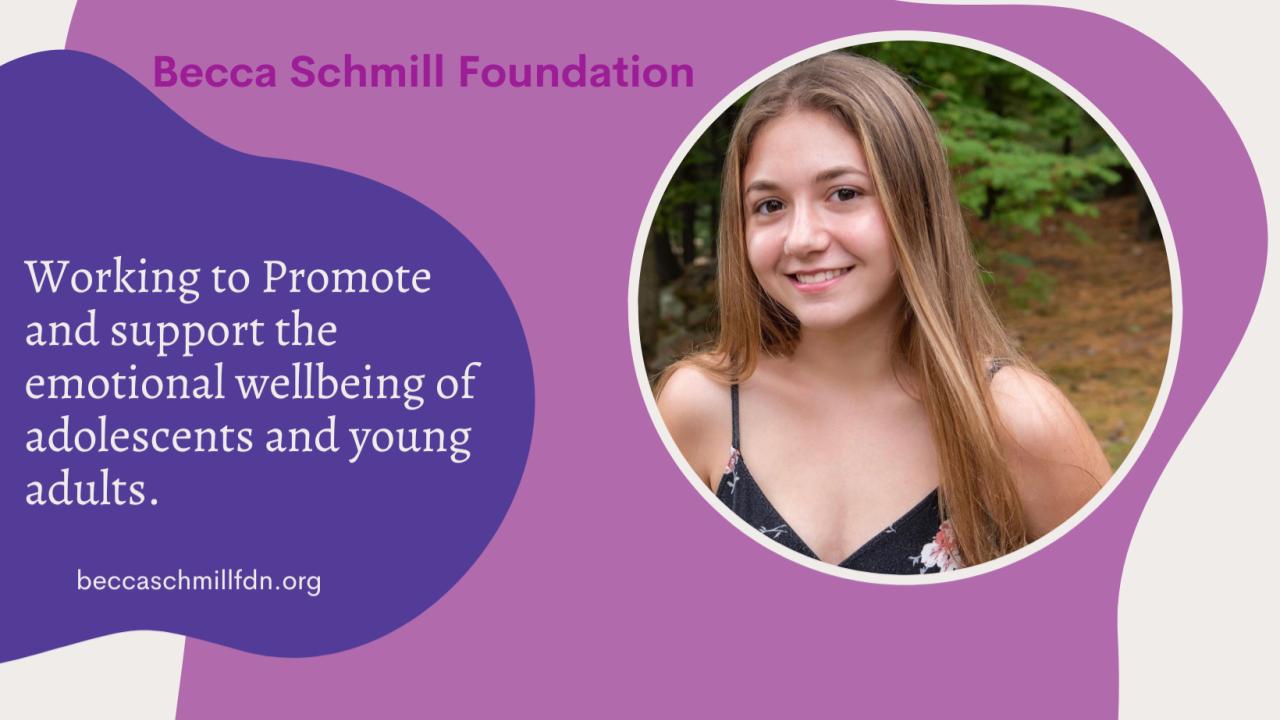
The Anxious Generation boils down to one key thesis: we have overprotected our kids in the real world, and underprotected them online.

Around 2012, something changed across multiple countries: teen mental health fell off a cliff. After more than a decade of stability, rates of depression, anxiety, self-harm, and suicide began rising sharply, more than doubling by many measures. This surge was concentrated almost entirely among adolescents and young adults. Why?

In his book, Jonathan Haidt makes the case that only one theory explains the data: in the course of just a few years, childhood was rewired from play-based to phone-based.

OnAir Post: The Anxious Generation

MeWe

We are a privacy-first social network with over 20 million users worldwide and more than 700,000 interest groups that is committed to giving our users control, protecting their data and providing a great user experience. MeWe contains no ads, no targeting, and no newsfeed manipulation. It is available on iOS, Android and desktop in more than 20 languages and over 200 countries worldwide.

Our journey began in New Mexico in 2011 when co-founders Mark Weinstein and Jonathan Wolfe began dreaming of the next generation of social media. The duo were disillusioned with big-tech’s disregard for personal privacy and its willingness to target, track and sell our data. They envisioned a new experience built on safety and respect and one that would bring people together while making social networking fun again. After several years of testing and a public beta, MeWe was officially launched at the SXSW.

Interactive Media festival in 2016 where we were honored as a finalist for their ever “Innovative World Technology” award.

In the years that followed we continued to refine both our free and subscription offerings while staying true to our ethos of privacy and user control. In March 2021 long time entertainment and technology executive Jeffrey Edell was named Chairman and CEO. Under Edell’s leadership we made considerable progress in improving our user experience, growing our membership and doubling down on our privacy-first message.

In 2022, we made the strategic decision to move to the blockchain and incorporate the Decentralized Social Networking Protocol (DSNP), an open internet protocol released by the Project Liberty Foundation. The foundation, launched in 2021 by Frank McCourt, and Frequency Labs, is part of the $500 million Project Liberty initiative, aimed at creating a better internet and a healthier digital ecosystem. DSNP has the potential to transform the internet by liberating social networking functionality from closed, proprietary platforms and integrating this functionality into the web itself.

With this move we put MeWe’s ethos into code and are completely solidifying our commitment to user protection and control.

We were honored again by SXSW in 2024 as a finalist for their Social Media Innovation Award and as of March have more than 670,000 active users on the blockchain, making MeWe the largest truly decentralized social network in the world.

MeWe has been supported by some of the most respected figures in tech, media/entertainment and finance, including Sir Tim Berners-Lee (inventor of the World Wide Web), Steve Wozniak (co-founder of Apple), Divya Narendra (co-founder of Harvard Connection), Gavin Wood / Bjorn Wagner (co-founders of Polkadot/Parity / Web3 Foundation) and Frank McCourt (founder / chairman of McCourt Global & Project Liberty).

Source: MeWe Website
OnAir Post: MeWe

Skip to toolbar